Scones: The Classic Treat of the English Afternoon Tea Table
When it comes to one of the great pleasures of the English upper class's afternoon tea, many of us picture sipping hot tea with a scone, a round little bake with an irresistible aroma, surrounded by a garden…
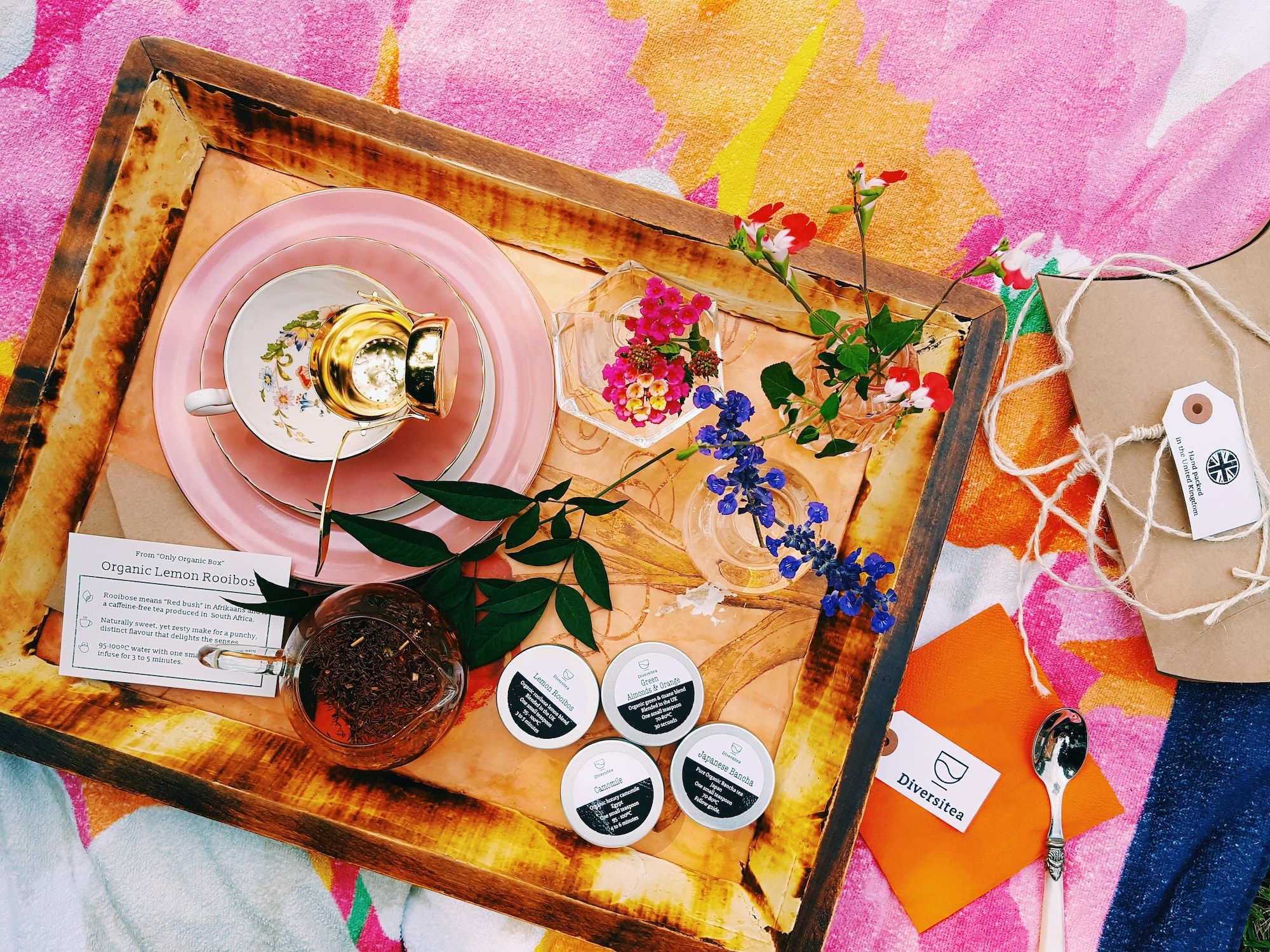
When it comes to one of the great pleasures of the English upper class's afternoon tea, many of us picture sipping hot tea with a scone, a round little bake with an irresistible aroma, surrounded by a garden full of beautiful flowers, right? But do you know the history behind the scone? Today fatgirlguides is here to tell you all about it.
Scone: Does It Rhyme with "Stone" or "Gone"?
It's not just us Thais who still wonder whether this bake should really be called a "scone" (rhyming with "stone") or a "scon" (rhyming with "gone"). Even the British themselves keep on debating what to call it, so much so that in 2016 YouGov, a well-known British market research company, ran a poll asking a sample of people across Great Britain what most of them actually call it. The result: "scon" won with 51%, "scone" got 42%, 3% didn't know, and 3% called it neither. That's how seriously they take it!
The History of the Scone

The origins of this bake are every bit as murky as its name. To this day, it's still not clear who came up with it first. But from some of the evidence, it's thought that scones most likely originated in Scotland in the early 16th century. Back then, the Scots made scones with oats, not wheat flour like today. They looked different too: the earliest scones were flat and round, about the size of a medium plate, baked on a flat griddle (or "girdle", as the Scots call it), and then cut into triangular pieces before serving. As for where the name "scone" comes from, there are lots of stories. Some say it comes from the Stone of Scone, also known as the Stone of Destiny, which was used in the coronation of the kings of Scotland. Others say it comes from the Dutch word schoonbrood, meaning "beautiful bread". Each of these stories goes its own way, and nobody knows the true origin for sure.
However murky its name and history may be, one thing is perfectly clear: the scone is a household staple quick bread for the British, eaten both for breakfast and as a snack with tea. It's not quite bread and not quite a biscuit, with a texture that's half crisp, half soft, and crumbly. The main ingredient is wheat flour, and sometimes raisins, dried fruit or nuts are added for extra texture and flavour. Because scones usually aren't very sweet, the British like to eat them with clotted cream and fruit jam, and this has become a custom all over the world too: when you buy scones, you usually get cream and jam packed in the bag with them, ready to go.
How Do You Eat a Scone?
For the tastiest way to eat a scone, I recommend having it with cream and jam. Start by splitting the scone in half horizontally along its natural crack, then spread cream on the scone and top the cream with another layer of jam. That's all it takes to enjoy a scone at its very best.
No Clotted Cream? What Can You Use Instead?

The tastiest way to eat a scone, and the best way to really get its flavour, is probably with clotted cream or fresh cream. But if you really can't find any, or you've run out of cream, here's another delicious way to eat scones: have an original-flavour scone with whipped cream and jam. It's delicious in a different way.
Scones in other flavours, like cranberry, matcha, Earl Grey and so on, can also be eaten with whipped cream. Or you can warm your scone until it's hot and eat it plain, without any cream, which is delicious in its own way too.
Personally, I absolutely love the flavour and texture of scones. You could even call me a devotee! So today I'd like to share some scone shops with you all: my regular spots that I go to often, and places I've tried and got hooked on. Let's start with the first one!
Baker Bricks


Source: Baker Bricks
If you love scones, you can't miss this place, because Baker Bricks is a bakery that makes nothing but scones! Their recipe comes from a famous scone shop in Taiwan. So besides a texture that's true to the classic style, what makes this place special is that they have scones in lots of different flavours, and the flavours change every week too. Prices start at 60 baht a piece.
My favourite flavours here are Original and Macadamia Nut.
There are 2 branches, Phrom Phong and Rama 9, and you can buy to take home. The shop is open every day: Monday to Friday 7:00 - 17:00, and Saturday to Sunday 9:30 - 17:00.
Scone'n Me


Source: Scone'n Me
A homemade English-style scone shop whose standout feature is a texture and flavour true to the authentic English original. The scones are made from quality ingredients, such as real French butter, using a homemade process with care at every step, just as if you were baking them for yourself. The shop has scones in lots of different flavours, but the star of the show has to be the Classic Scone: crumbly, soft and fragrant with butter. Warm it up and eat it with the shop's own homemade whipped cream, and you get a light sweetness from the icing sugar, richness from the whipped cream, and a sweet-and-sour tang from the homemade strawberry jam. Another of the shop's bestsellers is the Earl Grey Scone, filled with the aroma of smooth Earl Grey tea from Twinings, a really well-balanced flavour. Prices start at 40 baht a piece. And one more thing: you can only buy from this shop online!
Facebook: Scone'n Me
Instagram: sconeandme