Losing Weight with IF: Goodbye, Body Fat!
These days, looking after your health and figure is hugely popular, especially losing weight through what you eat without relying on exercise. This has given rise to all kinds of weight-loss methods, such as…
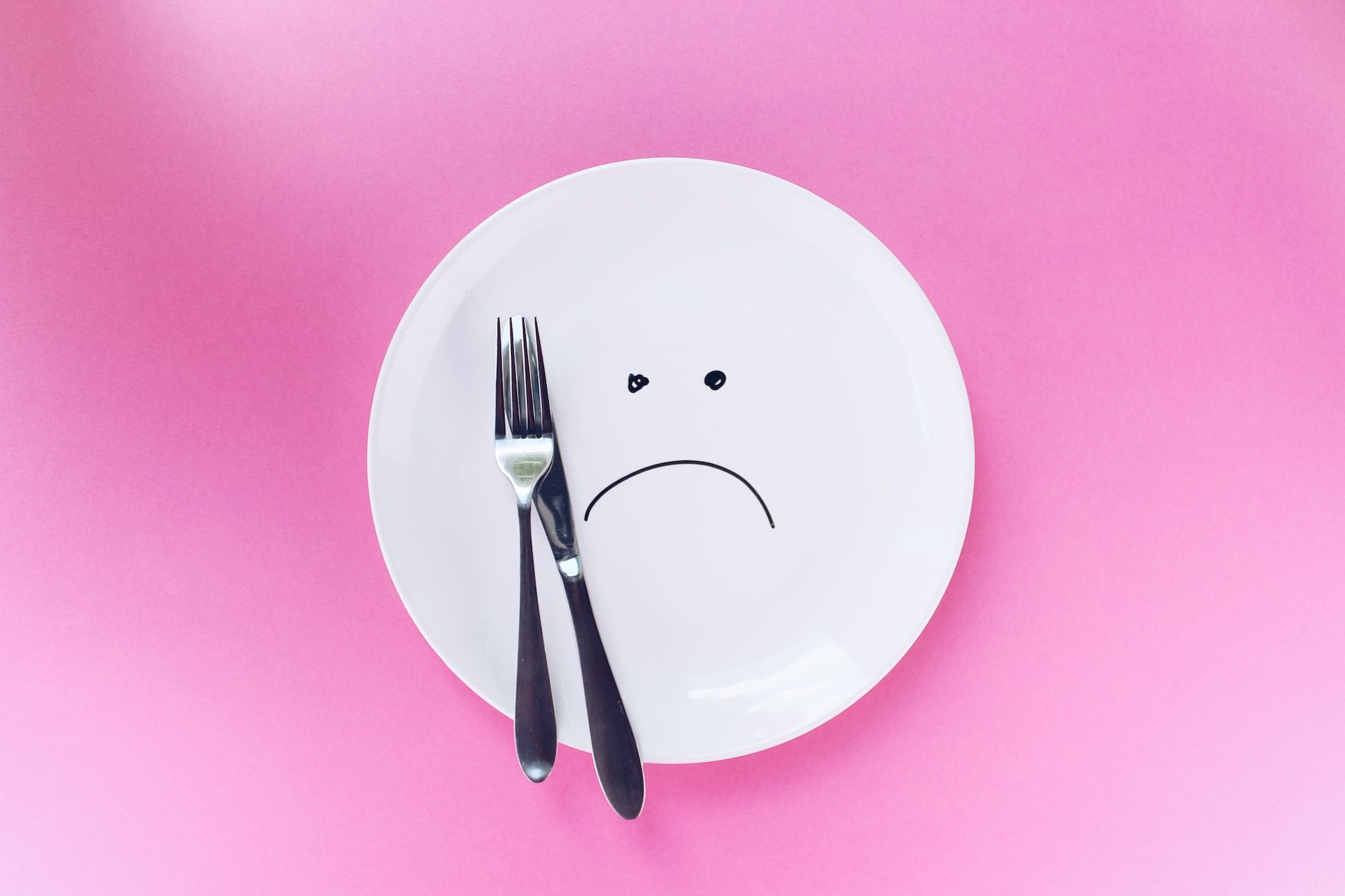
These days, looking after your health and figure is hugely popular, especially losing weight through what you eat without relying on exercise. This has given rise to all kinds of weight-loss methods, such as the Ketogenic (keto), Atkins and Paleo diets, as well as losing weight with IF, a method lots of people are interested in right now and one that's very popular among people living with obesity.
You can check for yourself whether you're starting to get fat or are already above the standard weight using your BMI, which is an indicator of whether you are obese or not. Today, fatgirlguides will introduce everyone to losing weight with IF and answer your questions: What is IF? Does it really make you lose weight? Is it dangerous to your health? And if you want to lose weight with IF, what's the best way to do it?
What Is IF?
IF, or Intermittent Fasting, is a way of losing weight where you divide up or set the times when you eat and the times when you fast. It's during the fasting period that your body draws on the fat stored around your body and uses it.
IF has been popular abroad for more than 10 years. Lots of celebrities and models use it to control their weight and keep their figures perfect at all times, such as Nicole Kidman, Miranda Kerr and the leading man Hugh Michael Jackman from the Wolverine films. Then, in the last few years, IF started to spread here in Thailand and has become the most popular weight-loss method among health lovers and people who want to lose weight.
Losing weight with IF follows these key principles:
- Control your calorie intake and eat low-calorie foods
- Skip 1 meal every day (dinner)
- During the fasting period, you can have drinks with no calories and no sugar
- An important warning: people with diabetes or stomach conditions should not use IF to lose weight
How Does IF Help You Lose Weight?
Lots of people wonder how IF actually makes you lose weight. Normally, the IF way of eating focuses on the times when you fast and the times when you're allowed to eat, but the emphasis has to be on eating low-calorie foods. Here are the reasons IF has an effect on our body weight:
IF Affects Your Hormones
Because losing weight with IF focuses on eating low-calorie foods, your body draws fat from different parts of the body to use so it has enough energy each day. This reduces your body fat, which in turn makes your weight go down. It also helps your body's metabolism work better, because while we fast, the level of insulin, the hormone that helps store fat in the body, goes down, and the level of growth hormone, a hormone that helps burn fat, goes up.
IF Helps Reduce Calories, Fat and Body Weight
From the above, you can see that when the hormones in your body start to change during the fasting period, when your stomach is empty and all the food has been digested and absorbed, the amount of insulin in your body drops, which makes your body release more growth hormone. This creates a "state of ketosis", which lets your body burn fat effectively during the fasting period.
When we lose weight with IF, we have a fasting period of at least 12 hours, which encourages the body to draw on stored fat for energy while it isn't getting any new energy coming in. And it's the limited eating window that helps the body get just the right amount of food, not too much. That said, we should also stick to counting calories alongside it, to make sure the body doesn't get more calories than it needs each day.
In short, when we eat fewer calories than usual, the body's fat-burning system works even better, which makes our weight go down. Studies abroad have found that doing IF continuously for 3-24 weeks reduces body weight by 3-8% and also reduces stored body fat, which can shrink your waistline by as much as 4-7%.
Ketosis is a state in which the body draws on its own fat for energy because its main energy source, carbohydrates, isn't coming in. This helps reduce body weight and body measurements. If you're losing weight with an eating pattern like IF or Ketogenic, in the early stage, as your body enters ketosis mode, you may get side effects such as a dry mouth and throat, weight loss, bad breath, and even keto flu (a low fever, dizziness and sugar cravings). But once you get past this stage, your body will start to adapt and enter full ketosis mode. You'll feel less hungry, sleep better and have a clearer mind too.
How Many IF Plans Are There?
Today there are lots of different IF plans, but they're all based on the same principle: fasting during set times. During the fasting period, you can choose to have drinks with no calories. Each plan has different eating and fasting windows, and there are 6 popular plans in total, as follows:


The 5:2 Plan
This plan splits up the days. The principle is that out of 7 days, on 5 days you eat normally, sticking to the number of calories your body needs each day (women should have no more than 2,000 kilocalories and men no more than 2,500 kilocalories). On the other 2 days, you eat 600 kilocalories a day (men) or 500 kilocalories a day (women).


The 16/8 or Lean Gains Plan
This is the most popular IF plan, and it's a good one for beginners because it isn't too harsh, so it's not hard for us girls to do. You eat within an 8-hour window and fast for 16 hours. For example, if you have your first meal at 8:00, you can have your last meal no later than 16:00. After that, you shouldn't eat anything at all, but you can have zero-calorie drinks like black coffee without sugar, or plain water.


The 19/5 or Fast Five Plan
Once you've been doing 16/8 for a while and your body has started to adapt, you can challenge yourself by stepping it up a notch with the 19/5 (Fast Five) plan: a 19-hour fasting window and a 5-hour eating window.


The Warrior Diet
This plan is similar to the way Buddhist monks take their meals, or to Muslims' religious fasting. You eat only one meal a day, and it can be split into 2 versions. The fasting period is 19-20 hours.
- Fast during the day and eat just one meal (dinner), choosing low-calorie foods with a focus on protein and vegetables
- Fast during the night and eat just one meal during the day


The Eat Stop Eat Plan
This method is considered pretty harsh. You choose days on which you fast for the whole day (24 hours), drinking only plain water or low-energy drinks, and you have to do this 1-2 days a week. On the remaining 5-6 days, you can eat anything you like, but you should still eat the number of calories your body needs each day.


The ADF Plan (Alternate-Day Fasting)
This plan takes the difficulty of Eat Stop Eat up another level. You alternate between eating days and fasting days, every other day. On eating days, choose foods low in calories, no more than your body needs each day.
So Which IF Plan Is Right for You?
There are as many as 6 IF plans, so which one should you choose? Our advice is to pick the way of eating that suits you best, based on your daily routine. For example, if you work during the day, use the 16:8 plan, since daytime is when your body needs energy to work.
The important thing is: never use an IF plan that has you fasting during your working hours.
You could use the 5:2 plan, choosing your 5 working days, Monday to Friday, as the days when you eat the calories your body needs each day. On the other 2 days, Saturday and Sunday, when you don't have to go to work, you cut your calories below normal. That's because on Saturdays and Sundays we mostly don't need a lot of energy for going out or doing activities.
Can Everyone Do IF?
Although IF is a weight-loss method that really gets good results and suits people who want to lose weight, not everyone can lose weight with IF. This way of eating has side effects in the early stage, such as feeling ravenous, craving only sweet things, dizziness, feeling faint, and fatigue with no energy. So it isn't suitable for people with conditions that could be harmed by the side effects of IF, such as:
- People planning to have children
- Pregnant women
- People with diabetes
- People with stomach conditions or a history of eating disorders
- People with low blood pressure
- People with a history of irregular or missed periods
- People with abnormal blood sugar levels
- People with serious illnesses


Pair These with IF for a Better Figure and Faster Weight Loss
Losing weight with IF still depends on other factors to make it work even better, and these also strengthen your muscles, which improves your inner health in the long run too. If you do them consistently alongside IF, we believe this IF weight loss will give everyone a well-proportioned figure, keep obesity far away and make you healthier.
- Eat healthy food: eat from all 5 food groups, just be extra strict with starches, fats and sugar. Choose good fats, eat unpolished (whole-grain) rice, and focus on protein from lean meat and from beans or grains.
- Exercise regularly: this helps build strong muscles and keeps all the systems in your body working normally, which helps you keep your weight stable. Having your body's systems work normally also promotes good health in the long run.
- Count calories: this is really, really important. Even though IF has fasting periods, if you binge on high-calorie food beyond what your body needs each day, there's no way you'll lose weight with IF.
- Be self-disciplined: set yourself a weight-loss goal to keep you motivated, for example losing weight for better health, or getting a well-proportioned figure so you can wear clothes with confidence. This determination will keep you from getting discouraged and help you stick to IF strictly.
In summary, IF is a weight-loss method that shows results fast and is great at reducing weight and excess fat. But you should do IF correctly, study the details of IF thoroughly, choose a plan that suits you, and not overdo it. Using other methods alongside it, like eating nutritious food, exercising regularly and counting calories, will also help you lose weight quickly and safely and stay healthy for the long term.