Your Skin and PM 2.5
"Pollution" is something we've heard about for as long as we can remember, especially "air pollution", which is now a problem for people all over the world. Air pollution usually comes as soot and exhaust from cars, factories and burning in various places…
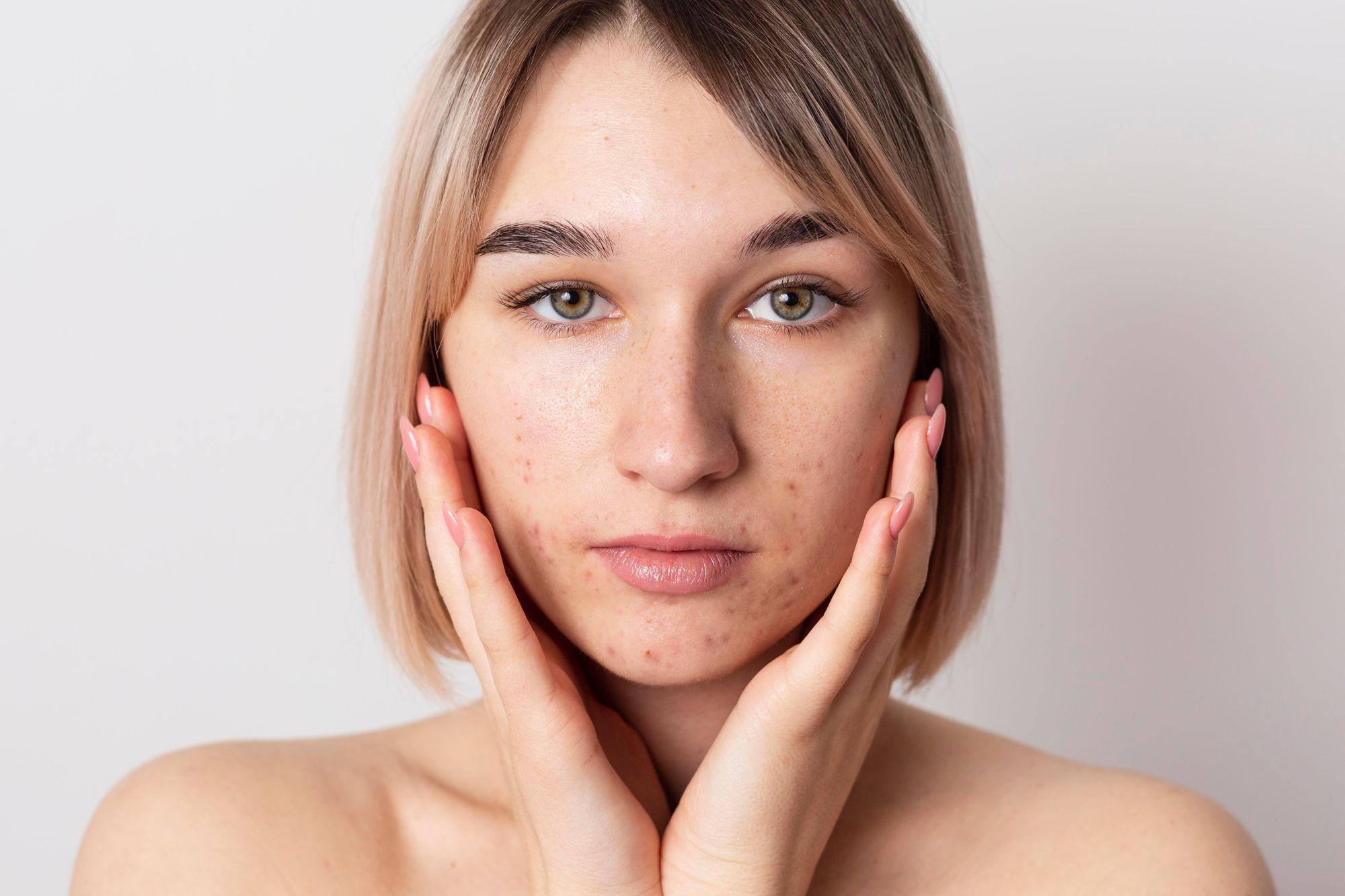
"Pollution" is something we've heard about for as long as we can remember, especially "air pollution", which is now a problem for people all over the world. Air pollution usually comes as soot and exhaust from cars, factories and burning in various places. Some of it is big enough to see, like white or black smoke, and some is invisible, like tiny particles (particulate matter, or PM). Past studies have found that all of these affect our skin. One very common example is pollution from car exhaust.
Pollution from car exhaust often contains a group of substances called polycyclic aromatic hydrocarbons, or PAHs. These can form naturally from the incomplete burning of organic matter, and they also come from car exhaust and cigarette smoke, fuel burned in factories, crude oil refining, and the timber industry, which coats wood with insect-repellent treatments that contain PAHs.
The substance in this group most commonly found in car exhaust is benzo[a]pyrene. When it meets UVA rays, it creates free radicals that damage skin cells and trigger inflammatory substances, leading to acne and free-radical wrinkles. It also stimulates more abnormal pigment production.
PAHs can stay stable in the environment for a long time unless they come into contact with water droplets, and they tend to cling to the tiny particles that float in the air (particulate matter). They are also found mixed with other pollutants, especially several heavy metals: arsenic, barium, cadmium, chromium, lead, mercury, nickel and zinc.
Pollution from Particulate Matter
Particulate matter, or PM, means particles of various sizes, measured in microns (one thousandth of a millimeter), floating in the air. Some are big enough to see with the naked eye, while others are so small they're invisible.
Particulate matter smaller than 10 microns, such as PM 2.5, is considered the invisible pollution most harmful to health, because the defenses in our nasal passages can't trap it. It spreads into the airways and the bloodstream and works its way into how the body's organs function, increasing the risk of chronic disease and cancer, according to warnings from the World Health Organization.
Normally, before PM 2.5 combines with water vapor, dust and smoke, it starts out as toxic gases: nitrogen oxides (NOx), sulfur dioxide (SO2) and carbon monoxide (CO), all of which are harmful to the human body. These pollutants act like skin irritants, triggering the release of cytokines, which can cause inflammation, sensitive skin and irritation.
Research from Mexico and Shanghai clearly shows that air pollution lowers the skin's antioxidants and weakens its immunity, so the skin loses moisture and becomes more sensitive and more prone to acne than in people who are rarely exposed to air pollution.
Protecting Your Skin from Air Pollution
- Wear a face mask every time you need to go outside or pass through open areas. A special type of mask called an “N95” is recommended.
- Exercise somewhere with less dust, away from roads. You might switch to working out at home or at a gym instead of running in the park.
- Cosmetics that protect your skin from the sun: sunlight makes air pollution work even more effectively, so protecting your skin with sunscreen before you leave home in the morning really helps.
- Skin creams containing antioxidants such as vitamin C, vitamin E, astaxanthin and coenzyme Q10.
- Eat a colorful variety of fruit and vegetables to give your body antioxidants to fight air pollution.
- Supplements that protect the skin from sunlight and pollution and reduce skin inflammation, such as:
- Hydroxytyrosol and verbascoside, found in olives and olive leaves
- Astaxanthin from a green microalga that turns red (Haematococcus pluvialis)
- Grape seed and pine bark extract
Air pollution is mostly caused by human activity, so we should all help look after our air quality. Who knows, we might be contributing to air pollution ourselves, directly or indirectly. If we all pitch in, I'm sure clean, fresh air will be back before long.