Can't sleep? What can you do about it?
I'm sure many of us have had trouble sleeping at some point, and I went through it myself a long time ago. Not being able to sleep, struggling to drop off, taking ages to fall asleep, waking on and off and feeling so restless you have to get up…
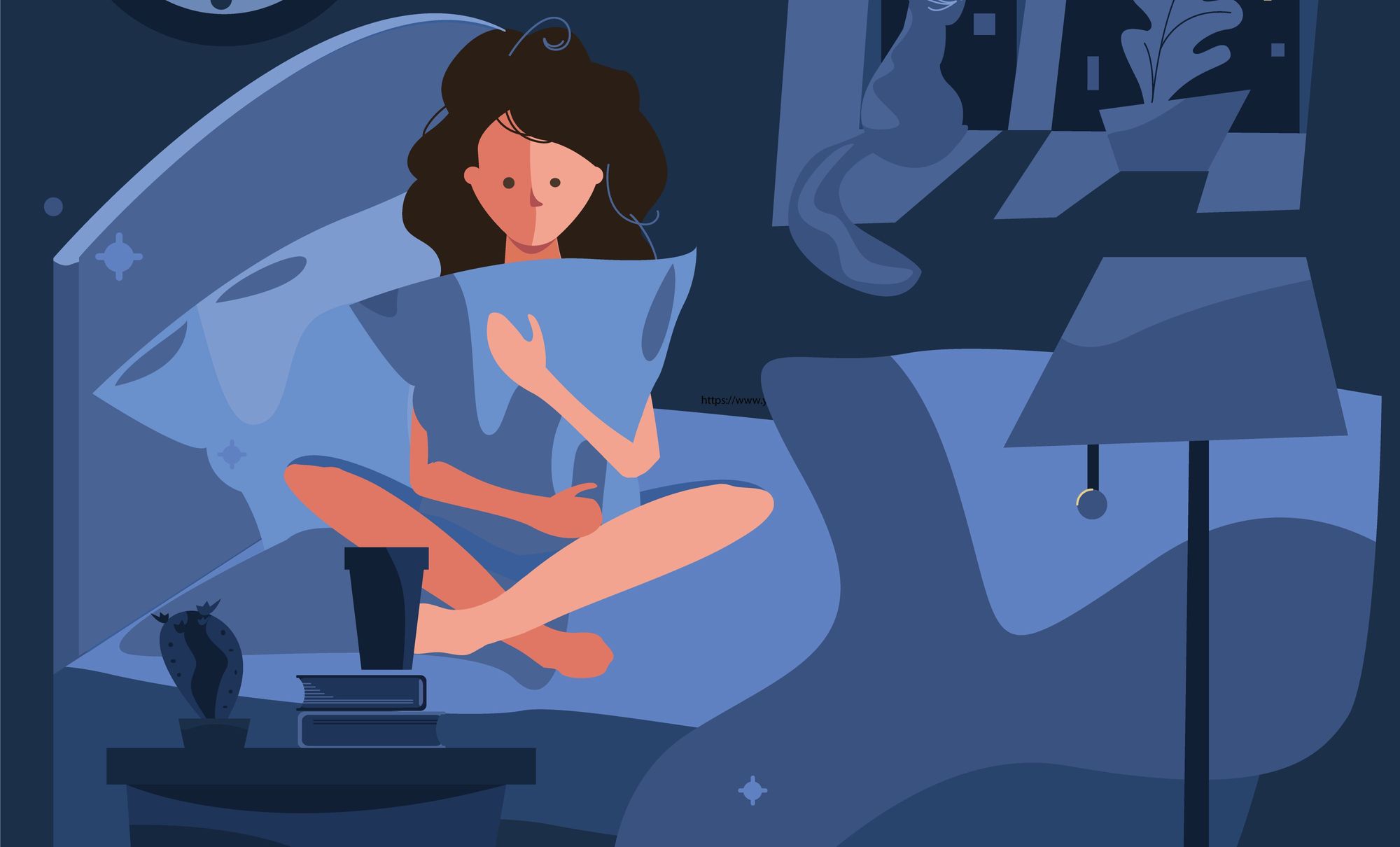
I'm sure many of us have had trouble sleeping at some point, and I went through this problem myself a long time ago. Not being able to sleep, struggling to drop off, taking a long time to fall asleep, waking on and off and feeling so restless that you keep getting up to walk around, sleeping lightly, waking up unrefreshed as if you hadn't slept at all, or waking very early even after going to bed late and not being able to get back to sleep: if you have any of these symptoms, it means you're dealing with “a sleep problem”.
Insomnia is a sleep disorder in which you can't fall asleep, or can't sleep for as long as you need. As a result, your body doesn't get proper rest, and you may feel drowsy and exhausted, get headaches, struggle to concentrate and get irritable easily. It also throws your body's systems off balance, which affects both your physical and mental health. And when it happens often, it can affect your ability to work or study.
That's why getting enough sleep is essential for good health and wellbeing, and it plays a big part in making our bodies and minds feel refreshed and full of energy.
What causes insomnia?
What causes insomnia differs from person to person. The main causes include:
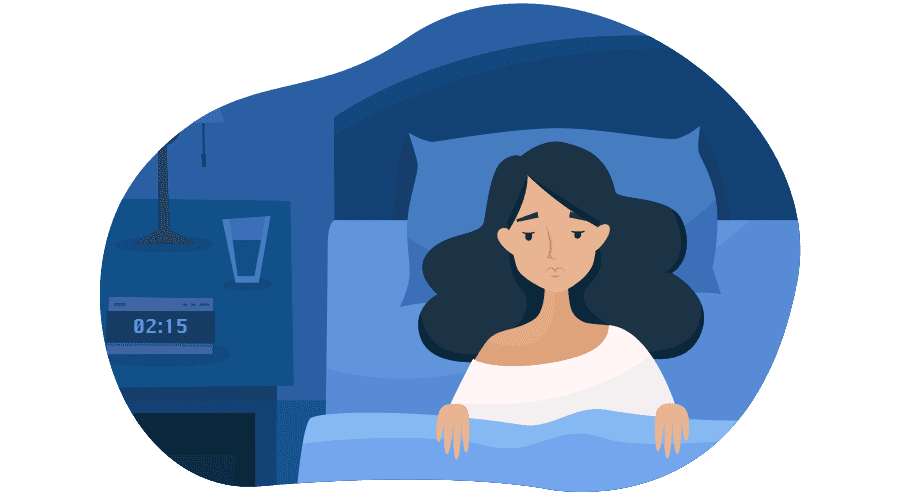
Physical health problems: for example, stomach ache, aches and pains around the body, or illnesses that get in the way of sleep, such as sleep-disordered breathing, acid reflux, heart disease, hyperthyroidism, joint pain and cancer. Older people also often have trouble sleeping because their sleep pattern has changed; for example, napping for a long time during the day makes it hard to sleep at night.
Psychological problems: for example, stress, anxiety, or depression and discouragement, losing heart, losing hope in life, feeling worthless, being too fixated on and wrapped up in yourself, or work not going as you'd hoped. This also includes people with neurotransmitter problems, as in depression or Parkinson's disease.
Environmental problems: being in surroundings that get in the way of sleep, such as the temperature, too much light, noise from traffic or the TV, a sleeping space that's too cramped or too big, or a mattress that's too soft or too hard, as well as sleeping somewhere unfamiliar, which makes it hard to fall asleep.
Lifestyle problems: for example, alcohol, the caffeine in coffee, cigarettes and certain medications can all affect your sleep. An empty stomach can leave you uncomfortable and hungry in the middle of the night, while eating too much can leave you feeling bloated at night so you can't sleep. Then there's jet lag, which often hits people who fly across time zones: the body has to shift its sleeping time and can't adjust fast enough, so it becomes hard to sleep. And some jobs, such as nurses and security guards, mean changing your sleeping hours all the time.
8 ways to beat insomnia
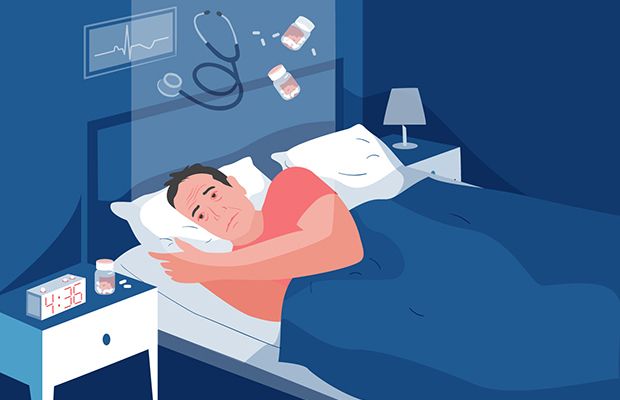
- Reset your sleep schedule so you go to bed at the same time every night. This trains your brain, so you'll feel sleepy as soon as bedtime comes. And only go to bed when you're sleepy.
- Wake up at the same time every day, whether it's a workday or a day off. Try not to sleep during the day; if you can't avoid it, nap for no more than 1 hour and not after 3 p.m., as it may disturb your sleep at night.
- If you still can't sleep after 15–20 minutes, get out of bed and find something else to do, such as listening to music or reading an academic book or Buddhist teachings, which should help you feel sleepier. Avoid watching TV or using the computer, because the light from the screen stimulates your brain and keeps it alert.
- Exercise regularly, for at least 30–45 minutes a day, 3–4 days a week. Exercise helps reduce emotional and physical tension, and working out in the morning or evening gives the best results. Don't exercise late at night or close to bedtime, because your body temperature rises and stimulates your brain, making it even harder to fall asleep.
- Avoid coffee, caffeinated tea and fizzy drinks, as they keep you awake and reduce the quality of your sleep. Cut down on alcohol: even though it can help you sleep, too much of it can affect your body.
- Avoid heavy meals or hard-to-digest food for at least 2–3 hours before bed, as they can give you stomach pain from acid reflux. If your stomach is empty or you feel hungry, choose something light, such as warm milk or fruit juice.
- Set up your bedroom properly and make it a relaxing space: a soft, inviting bed, with no disturbing light, colours or smells. Keep the room as dark as possible and pleasantly cool, with good airflow so your brain gets plenty of oxygen.
- I don't recommend leaving music or the TV on, because while you're asleep your brain is working the whole time, so you won't sleep deeply and you may even have nightmares.