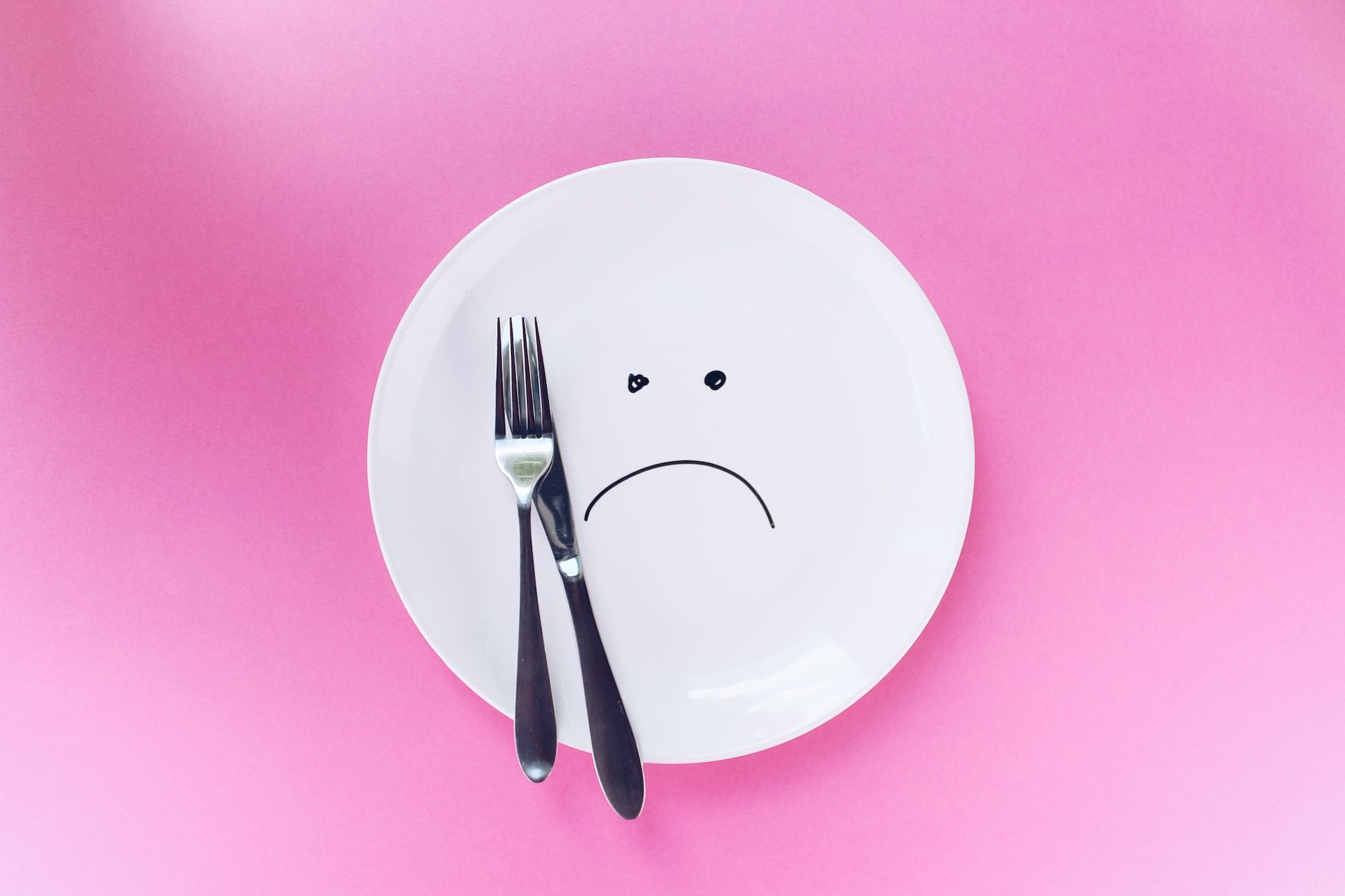
What Is Water Fasting?
“Fasting” is a way of losing weight by limiting how much food you eat each day. It's a popular weight-loss method that people have practised for a very long time.

“Fasting” is a way of losing weight by limiting how much food you eat each day. It's a popular weight-loss method that people have practised for a very long time.
Fasting on water or “Water Fasting” means going without anything that provides energy and drinking nothing but water. It's a weight-loss method that has become more and more popular in recent years, because it can help you lose weight quickly.
Studies have shown that water fasting may have health benefits, such as lowering the risk of some chronic diseases and stimulating a process called “autophagy”, in which the body's cells eat themselves and build new, stronger cells to replace them. This happens when the body goes without nutrients for a long time. But some studies on water fasting say that losing weight this way has quite a lot of limitations, carries many health risks and isn't a suitable way to lose weight. In this article, we'll take an overall look at what water fasting involves, along with the benefits and dangers of losing weight this way.
What Is Water Fasting?

“Water Fasting” is a type of fast in which you can't have anything at all except water. Most people do it for 1–3 days in a row, a length of time that is still good for your health. But if you want to fast for longer than that, you should do it under the care and advice of a medical specialist.
People do water fasting for many reasons, such as religious reasons, weight loss, detoxing the body for health, and preparing for medical procedures. But the main reason is fasting to improve your health. In fact, several studies on water fasting have found that it can help lower the risk of cancer, heart disease and diabetes.
A lemon water detox is also a form of water fasting. Drinking lemon water mixed with honey and cayenne pepper for 7 days in a row can help flush out residue from the intestines, but you shouldn't keep it up for too long, as that can lead to risks and dangers.
Water Fasting
There are no definite scientific rules about how to start water fasting. However, people in general shouldn't fast without medical supervision, and that includes people with gout or diabetes, older people, pregnant women and children. If you've never fasted before, you should start by adjusting or preparing your body for going without food for about 3–4 days beforehand. You can do this by eating less at each meal or by fasting for one day.
During a water fast you can't have anything except water. Most people drink about 2–3 litres a day, and you shouldn't lose weight this way for more than 3 days without advice from a doctor. You also shouldn't do any strenuous activities or heavy exercise, because some people may feel weak or dizzy while fasting, so you should avoid operating heavy machinery and avoid driving to prevent accidents. How long you water fast is very important, because it can put you at risk of refeeding syndrome, which can be fatal, as the levels of fluids and electrolytes in your body change rapidly.
Also, after fasting for several days in a row, you shouldn't go straight to eating big meals, because that can make your stomach feel uncomfortable. Start with a smoothie or small, easily digested meals instead, and then you can go back to eating normally.
What Are the Benefits of Water Fasting?

#Helps Trigger Cell Self-Eating (Autophagy)
“Autophagy” is a process in which old cells in the body start to consume themselves (break down) and then build new, stronger cells to replace them. Several studies say that autophagy may help protect against certain diseases, such as cancer, Alzheimer's disease and heart disease. For example, autophagy may help prevent cell abnormalities, which are a risk factor for many types of cancer, and this process helps stop cancer cells from growing. There are also animal studies that found water fasting can help trigger autophagy, which can also help extend lifespan.
#Helps Lower Blood Pressure
Research shows that water fasting may help people with high blood pressure bring their blood pressure down. In a study of 68 people with high blood pressure who fasted for nearly 14 days, 82% saw their blood pressure fall to a normal level (120/80 mmHg or lower). Their blood pressure also fell significantly, by an average of 20 mmHg for systolic (the higher number) and 7 mmHg for diastolic (the lower number). Another study, of 174 people with high blood pressure who fasted and drank only water for 10–11 days, found that 90% of the patients had blood pressure below 140/90 mmHg.
#Makes Insulin and Leptin Work More Sensitively
Insulin and leptin are important hormones that affect the body's metabolism. Insulin's job is to carry nutrients (sugar) through the bloodstream to the different parts of the body, while leptin is a hormone that helps the body feel full.
One study found that water fasting may make the body more sensitive to insulin and leptin, so these hormones can work more effectively. For example, being more sensitive to insulin means your body is more efficient at lowering blood sugar, while being more sensitive to leptin makes your body's hunger signalling work more effectively, and can also help lower the risk of obesity.
#Helps Lower the Risk of Many Chronic Diseases
There is some evidence that water fasting may help lower the risk of chronic diseases such as cancer, diabetes and heart disease. In a study of 30 healthy adults who did a 24-hour water fast, the adults' blood levels of cholesterol and triglycerides fell significantly, and both are risk factors for heart disease. Several animal studies have also found that water fasting may help protect the heart from free radicals, which are unstable molecules that can damage parts of cells and lead to many chronic diseases. What's more, it may help suppress genes that help cancer cells grow, and also lessen the side effects of chemotherapy.

The Dangers of Water Fasting
#It's the Wrong Way to Lose Weight
Water fasting can help you lose weight quickly, possibly as much as 0.9 kilograms a day. But even though you can lose a lot of weight, most of the weight you lose comes from losing water, carbohydrates and muscle mass.
#It Can Leave You Dehydrated
It may sound strange: how can a fast where you drink nothing but water leave you dehydrated? The reason is that 20–30% of the water your body gets each day comes from the food you eat. If you drink the same amount of water as on a normal day but don't eat any food, you may not get enough water, which leads to dehydration, with symptoms such as dizziness, nausea, headaches, constipation and low blood pressure. So to prevent dehydration, you should drink more water than usual.
#You May Get Low Blood Pressure When Changing Position (Orthostatic Hypotension)
This is common among people who lose weight quickly. It's when your blood pressure drops as you stand up or change position quickly, making you dizzy and putting you at risk of fainting. If this happens to you while water fasting, you may need to avoid driving or operating heavy machinery, because the dizziness could make you faint, which could cause an accident.
#It May Make Existing Health Conditions Worse
Even though it's only a fast over a short period, there are certain conditions that it may make more severe. People with the following conditions should absolutely not do water fasting without advice from a doctor:
- Gout: Fasting and drinking only water may increase the production of uric acid, which is a risk factor that can make existing gout worse.
- Diabetes: Fasting can be dangerous for people with diabetes, because it can make blood sugar drop or rise too far. People with eating disorders shouldn't fast either, as it can trigger them again, such as bulimia, the “finger down the throat” disorder that often occurs in teenagers.
Although water fasting can help you lose weight quickly and can also help lower the risk of some diseases, it has downsides for your health too. So water fasting should be done for a suitable length of time, not too long and not too short. The ideal length is 1–3 days. Any longer than that, and you should only do it with advice from a doctor and under their care!
References: healthline.com