Natural Sweeteners That Can Replace Sugar
These days, people are paying more and more attention to their health, whether that means exercising or choosing nutritious food. One of the healthy-eating trends that has really caught on right now has to be…

These days, people are paying more and more attention to their health, whether that means exercising or choosing nutritious food. One of the healthy-eating trends that has really caught on right now has to be using sugar substitutes in desserts and all kinds of dishes. They still give you that sweet taste, and they're better for your health too. So which natural sugar substitutes are out there?
How does eating a lot of sugar harm your health?

Normally, we should have no more than 4–6 teaspoons of sugar a day, but in reality most people eat far more sugar than their bodies need. When the body gets too much sugar, it builds up and can cause harm down the line. Children who live for sweets can easily get tooth decay, and they also tend to get nosebleeds more easily than usual. In adults, eating too much sugar often leads to numbness and pins and needles, because vitamin B levels drop, as well as irritability, mood swings and insomnia.
Researchers discovered long ago that sugar acts on the brain like drugs such as cocaine, because it can trigger the brain to release dopamine, the chemical that makes us feel happy. This makes us addicted to our own behavior or to the things around us.
And if a lot of it builds up in the body, it can lead to weight gain and thicker blood that circulates more slowly, which slows down the delivery of nutrients to different parts of the body and can clog the capillaries. That opens the door to a whole host of diseases, from diabetes and high blood pressure to heart disease.
Eating too much sugar also makes you feel hungrier, because sugar lowers leptin, the hormone that's released when you feel full, so you eat and eat but never feel satisfied, which can lead to obesity. Sugar has plenty of downsides, but if you just can't give up sweet things, what can give you the same sweetness as sugar while being better for your health?
Sugar substitutes
Stevia
Stevia is a natural sweetener extracted from the leaves of a South American shrub known scientifically as Stevia rebaudiana. Its big advantage is that it contains no energy at all (0 calories), yet it's up to 350 times sweeter than sugar, and it tastes only slightly different from sugar.
Researchers have also found that, besides being safe, stevia has a number of health benefits. It contains stevioside, which can lower blood sugar by as much as 6–14%. Keeping blood sugar at normal levels helps reduce the risk of diabetes in the general population, and it also helps reduce the various side effects that people with diabetes can experience.
Honey

Honey is a thick, golden liquid rich in vitamins, minerals and lots of beneficial antioxidants. It contains phenolic acids and flavonoids, antioxidants that can help protect against diabetes, inflammation of the heart and cancer.
One study found that a group of participants with diabetes were able to lower their cholesterol and triglyceride levels further by eating honey every day for 2 months. That said, honey is still a type of sugar. Even though it's good for your health, you should eat it in moderation.
Xylitol
Xylitol is a sugar alcohol sweetener that tastes a lot like sugar. It's extracted from corn or birch bark. Xylitol has just 2.4 calories per gram, 40% less than sugar, and it doesn't raise your blood sugar or insulin levels either.
Xylitol is also a natural sugar that isn't fructose, so it doesn't harm your health the way regular sugar does. Too much of it can cause bloating or diarrhea, though, and it's highly toxic to dogs. Research also reports that xylitol helps lower the risk of tooth decay and makes your teeth stronger.
Erythritol
Erythritol is a sugar alcohol sweetener like xylitol, but with even fewer calories. While 1 gram of xylitol gives you 2.4 calories, erythritol gives just 0.24 calories per gram, or only 6% of the calories in regular sugar. It also tastes very much like sugar, which is why so many people choose it instead of sugar.
On top of that, unlike other sweeteners, our bodies have no enzymes to digest erythritol. When we eat it, it enters the bloodstream and is then flushed out by the kidneys in our urine. That makes it safer for the body than sugar, which, when it isn't used up, gets stored around the body as fat.
Research has also shown that eating 0.45 grams of erythritol per kilogram of body weight a day causes no health problems, and it doesn't raise blood sugar, insulin or triglyceride levels either.
Maple syrup
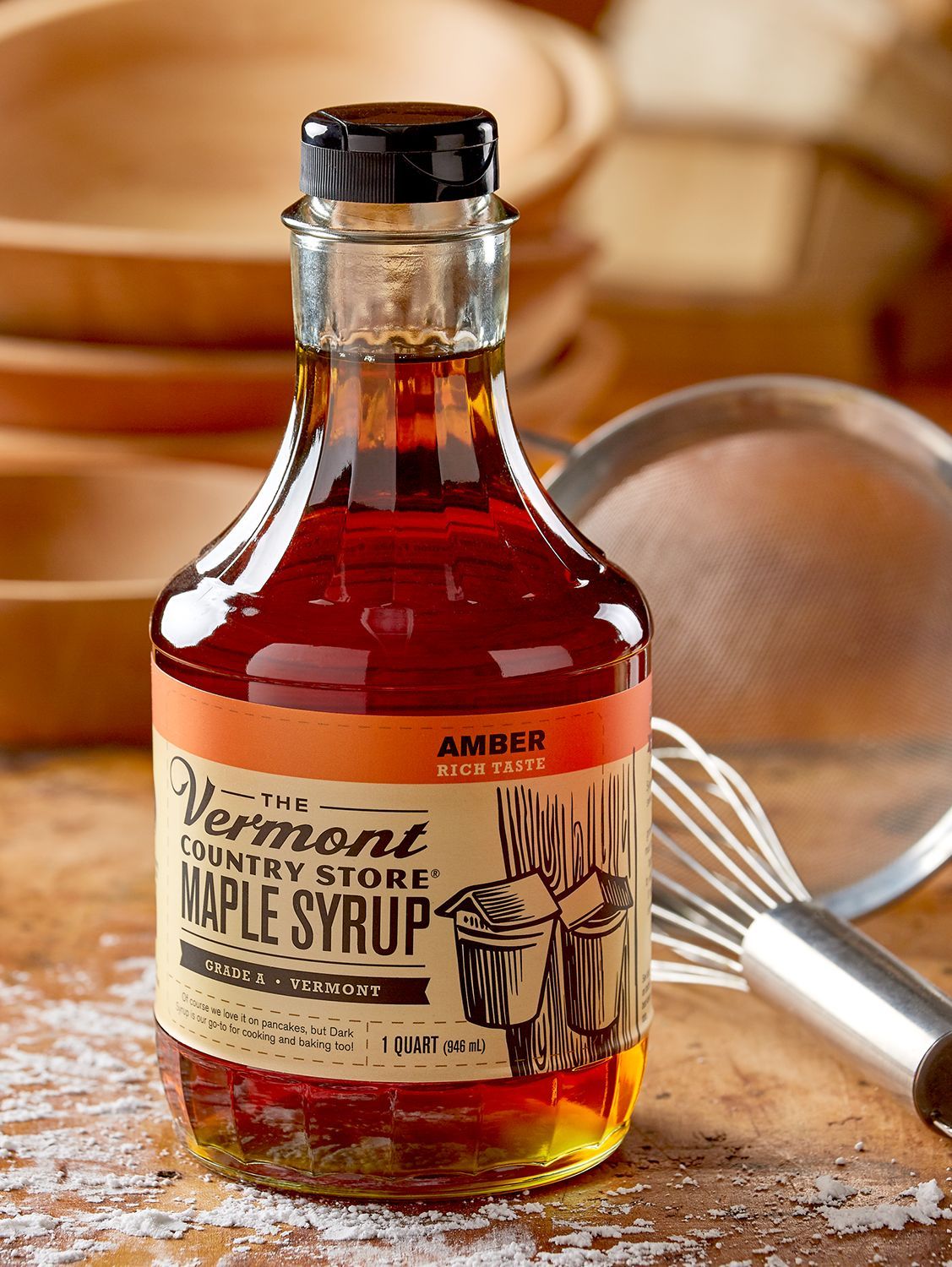
Maple syrup originally comes from Canada. It's a natural sugar made from the sap of maple trees. It's less sweet than cane sugar and has fewer calories, gram for gram, and it doesn't go through any chemical processing at all. Because it takes so long to make, it's fairly expensive.
Maple syrup contains useful vitamins and minerals such as calcium, potassium, iron, zinc and manganese, plus as many as 24 other antioxidants. Several studies say maple syrup can help lower blood sugar and has anti-cancer properties, but more in-depth research is needed.
Molasses
Molasses is a thick, sticky, dark brown liquid. It's a by-product of making granulated sugar: sugarcane juice or sugar beet is boiled down until all that's left is molasses, which can't crystallize into sugar any more. Molasses is packed with vitamins and minerals as well as many kinds of antioxidants. It's also high in iron, potassium and calcium, which help keep your bones and heart healthy.
Yacon syrup
Yacon syrup is extracted from the yacon plant, a root crop native to South America. It has a naturally sweet taste, and it's dark and sticky, very similar to molasses.
About 40–50% of yacon syrup is a type of sugar called fructooligosaccharides, or FOS for short, and once again our bodies have no enzymes to digest it. So when we eat yacon syrup, it has 33% fewer calories than regular sugar. FOS also makes the body release less ghrelin, a hormone that helps control hunger, so we end up wanting to eat less.
That said, you shouldn't have too much yacon syrup, as it can cause side effects such as diarrhea and gas. And most importantly, don't heat yacon syrup, because the FOS breaks down into ordinary sugar.
Coconut sugar
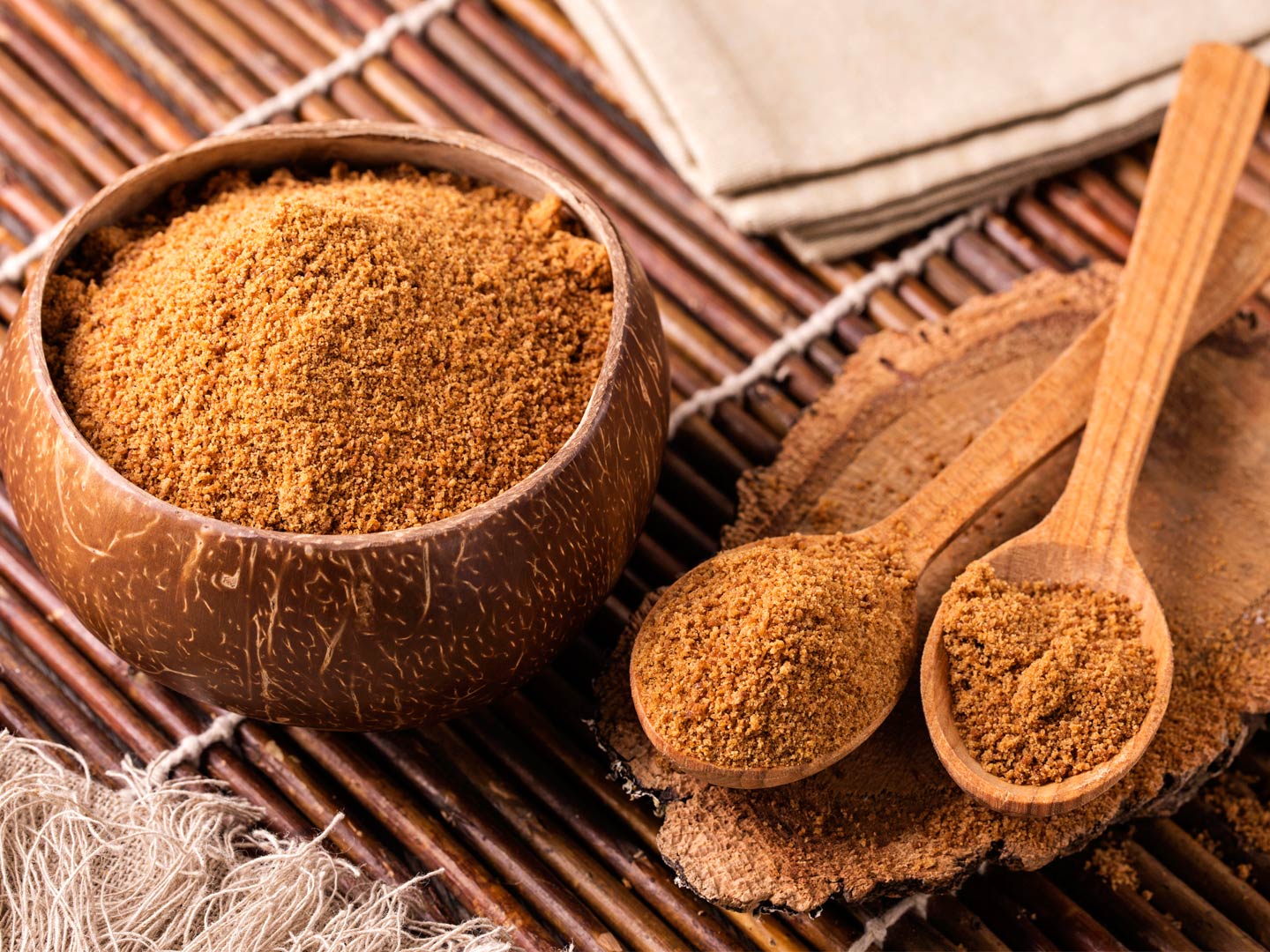
Coconut sugar is made from fresh sap collected from the flower stalks of coconut palms, which is boiled down until it sets into a golden brown sugar. Coconut sugar contains only a few nutrients: iron, zinc, calcium and potassium, plus some antioxidants.
Coconut sugar also has a low glycemic index, because it contains a fiber called inulin, which helps the body absorb glucose more slowly. That means your blood sugar doesn't spike as quickly as it does with ordinary sugar.
Sugar is the culprit behind obesity, diabetes and other health problems, so we should cut down on sugar or cut it out for better health. The sugar substitutes recommended in this article can be used in place of sugar, but you should still be careful and use them in moderation, so your body doesn't get more energy than it needs each day. Experts say the best sugar substitute is stevia, followed by xylitol, erythritol and yacon syrup.
Sources: healthline.com & fitterminal.com